What a Friend We Have in Jesus Bible PNG
A Designer’s First Look: Quiet Strength, Not Flashy Embroidery
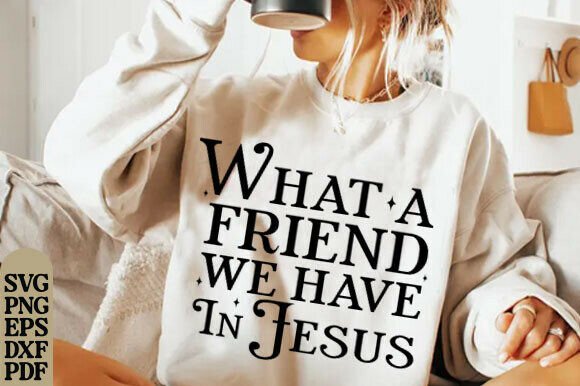
When I opened What a Friend We Have in Jesus Bible PNG, my first thought wasn’t “Wow—look at those flourishes.” It was quieter: *This feels like something someone would actually stitch onto a baby blanket for a baptism, or embroider on the chest of a soft cotton apron for a church kitchen volunteer.* The design carries reverence without rigidity—clean lines, balanced negative space, and a gentle rhythm between text and symbolic elements (like an open book or subtle cross motif, if present). It doesn’t shout. It settles. That’s rare—and valuable—for anyone building a thoughtful craft business or offering personalized gifts.
Where This Design Earns Its Keep: Real Projects, Real People
Last week, I prepped a custom embroidered tote bag for a local women’s Bible study group. They wanted something meaningful but not overwhelming—no heavy script, no crowded borders. What a Friend We Have in Jesus Bible PNG landed perfectly: centered on natural canvas, stitched in cream thread with a light tear-away stabilizer. The result? A finished product that looked handmade—not mass-produced—and invited quiet conversation. That’s the sweet spot: this design works best where sincerity matters more than sparkle.
I’ve also tested it on lightweight sweatshirts for youth ministry volunteers and on tea towels for a boutique selling faith-based home goods. In both cases, the layout held up beautifully—no distortion, no lost detail—even with moderate fabric stretch and standard home embroidery machines. As a T-Shirt Designs asset, it scales well for chest placement on crewnecks and relaxed tees, especially when paired with simple monochrome thread palettes.
What to Watch For: Texture, Scale, and Stitch Integrity
This isn’t a “set-and-forget” embroidery file. Its quiet elegance depends on execution. On textured fabrics—like terry cloth towels or looped fleece—it needs extra stabilization; otherwise, lettering can blur or fill stitches may sink unevenly. On thin or delicate baby clothes (think 100% cotton interlock onesies), I recommend switching dense fill areas to lighter fill stitch or adding a cutaway backing—especially under the main phrase—to prevent puckering.
Caps and curved surfaces are trickier. The horizontal flow of What a Friend We Have in Jesus Bible PNG means it reads cleanly on flat panels but can distort slightly near the crown seam unless digitized with careful underlay. If you’re planning embroidered patches or cap fronts, test stitch on a scrap cap blank first—and consider simplifying small decorative elements (like vine accents or tiny doves) if they’re prone to fraying after washing.
Thread & Fabric Contrast: Your Silent Salesperson
Here’s what I tell every Etsy seller and small shop owner: What a Friend We Have in Jesus Bible PNG gains emotional resonance through contrast—not complexity. On dark fabric, ivory or soft gray thread reads with warmth and clarity. On light fabric, deep navy or charcoal adds grounded dignity without looking harsh. Avoid ultra-bright white on pale linen—it can feel clinical, not comforting. And always test your thread colors on the actual fabric batch. Dye lots shift. What looks perfect on screen may mute or muddy in stitch.
Design Assets That Build Trust—Not Just Traffic
Customers don’t buy “Bible verse embroidery.” They buy meaning, care, and intention. When What a Friend We Have in Jesus Bible PNG is stitched cleanly—with consistent satin stitch edges, even fill density, and thoughtful spacing—it signals professionalism. That builds trust faster than any listing description. I’ve seen buyers comment specifically on how “peaceful” or “well-balanced” the design feels—proof that visual harmony translates directly to perceived value.
For digital product sellers, this design holds strong as a standalone embroidery file or as part of a curated collection (e.g., “Quiet Faith Series”). But remember: its strength lies in restraint. Don’t over-layer it with borders or frames in your printable mockups. Let it breathe. Show it on real garments—not just white backgrounds. That authenticity lifts engagement across platforms, from Instagram carousels to Etsy thumbnails.
Practical Notes Every Embroidery Designer Should Run Through
- Always test on scrap fabric—especially if stitching on blends, knits, or vintage-style textiles.
- Check stitch density before hooping. High-density fills may need reduced tension or slower speeds on older machines.
- Confirm hoop size compatibility. Some versions run wide; others compress well into 4x4 hoops—but verify before batching orders.
- Inspect small details under magnification: Are letters legible at 2.5" width? Does the “J” in “Jesus” hold shape on low-stitch-count versions?
- Test black-and-white mockups to assess readability on varied backgrounds—critical for print-on-demand or wholesale catalogs.
- Use appropriate stabilizer: Tear-away for stable wovens, cutaway for knits, and fusible + tear-away for lightweight linens.
- Review licensing terms carefully before using What a Friend We Have in Jesus Bible PNG in commercial embroidery, digital resale, or bundled craft kits.
Final Thought: Meaning Meets Craftsmanship
What a Friend We Have in Jesus Bible PNG won’t dominate a craft fair booth with flash—but it will earn repeat customers, heartfelt thank-you notes, and quiet pride in your handmade product line. It’s the kind of embroidery file that reminds us why we stitch in the first place: to make something that matters, one thoughtful thread at a time. Whether you’re embroidering a pillow cover for a hospital chaplain, a personalized gift for a confirmation, or a small shop product that reflects deeper values—this design gives you room to deliver with integrity. Just remember: respect the fabric, honor the stitch, and let the message speak plainly.